Welcome to Better Brains @ The Mental Health Project
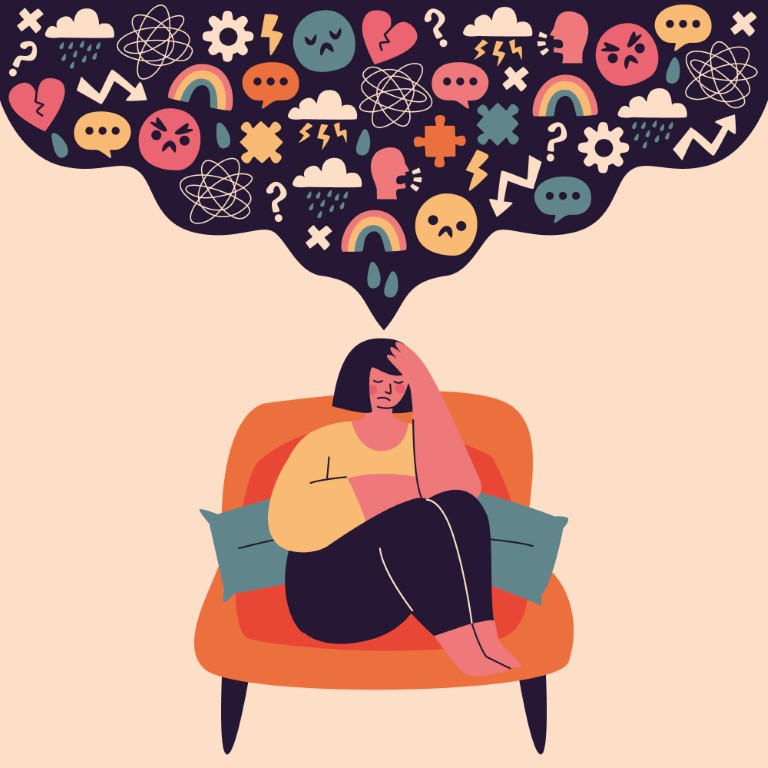
Mental Health

Here you can find a selection of resources and tools to help you manage stress and improve your mental well-being. At the mental health project, we believe in empowering individuals with knowledge and support. That through education and community, we can foster a more compassionate and understanding society and hopefully not kill each other as much.

FAQ's
This project aims to provide resources and support for mental health awareness and well-being. It is designed to help individuals understand stress, neurodivergence, and relaxation techniques through informative content and interactive elements.

You can get involved by joining our mailing list, joining our volunteer team, and sharing our resources.

If you need ongoing support, please reach out to a mental health professional. However we have included a list of resources and hotlines at the bottom of our website for your convenience.

In the unlikely event you have a complaint, please email we aim to respond to all complaints within 7 working days.
mental health awareness

Understanding Stress

Work Stress
Work stress can significantly impact your mental and physical health. Common signs include feeling overwhelmed, difficulty concentrating, and changes in sleep patterns. Effective strategies include setting boundaries, taking regular breaks, and practicing stress-reduction techniques.
Relationship Stress
Relationship stress often stems from poor communication, unmet expectations, or unresolved conflicts. Building healthy relationships requires active listening, empathy, and clear boundaries. Professional counseling can provide valuable tools for improving relationship dynamics.
Financial Stress
Financial stress affects millions of people and can lead to anxiety, depression, and relationship problems. Creating a budget, building an emergency fund, and seeking financial advice can help reduce money-related stress. Remember that seeking help is a sign of strength, not weakness.
Health Stress
Health-related stress can arise from chronic illness, medical procedures, or health anxiety. Maintaining open communication with healthcare providers, staying informed about your condition, and practicing self-care are essential. Support groups and mental health professionals can provide additional assistance.

Understanding Neurodivergence

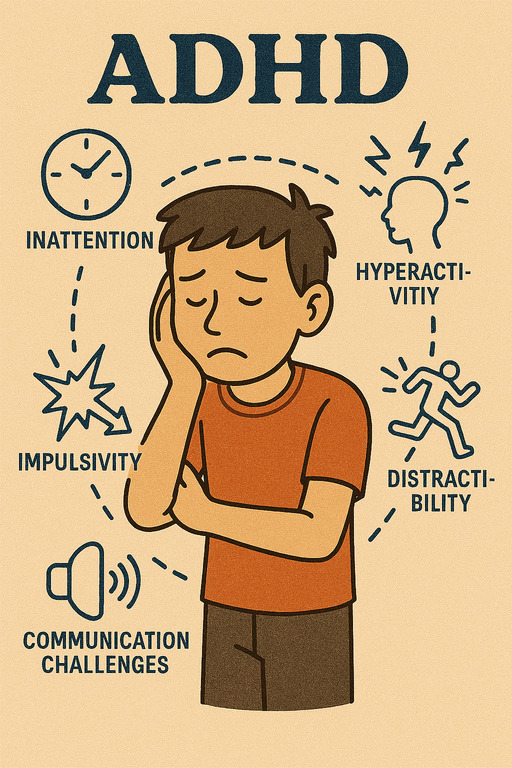
ADHD
ADHD is a neurodevelopmental condition characterized by differences in attention, hyperactivity, and impulse control. People with ADHD often have unique strengths like creativity, hyperfocus, and innovative thinking. With proper support and strategies, individuals with ADHD can thrive in all areas of life.
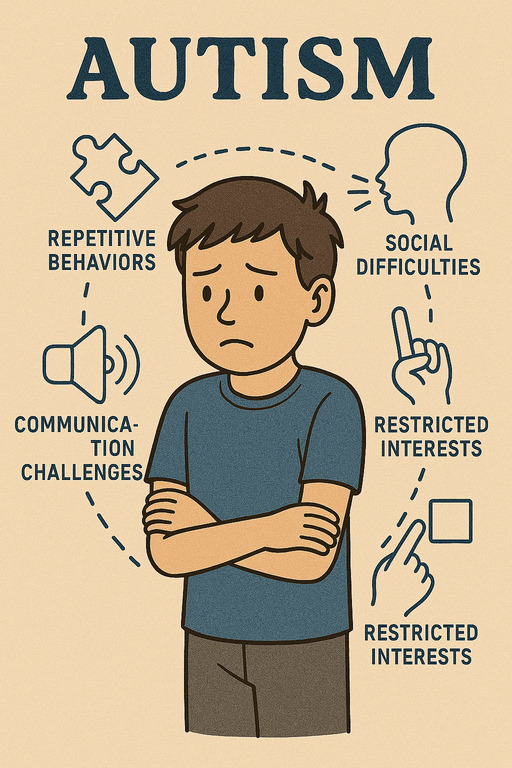
Autism
Autism is a neurodevelopmental condition that affects social communication, sensory processing, and behavior patterns. Autistic individuals often have exceptional attention to detail, strong pattern recognition, and deep expertise in areas of interest. Understanding and acceptance create inclusive environments where autistic people can contribute their unique perspectives.
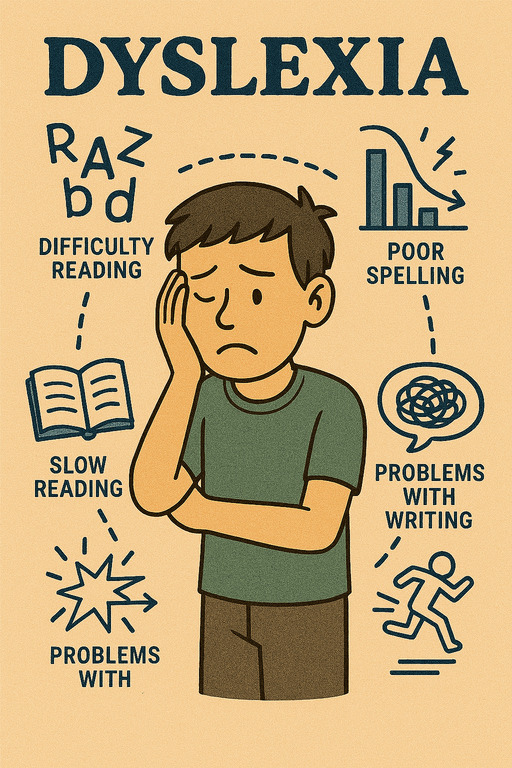
Dyslexia
Dyslexia is a learning difference that affects reading, writing, and spelling. People with dyslexia often excel in creative thinking, problem-solving, and visual-spatial skills. With appropriate support and teaching methods, individuals with dyslexia can achieve academic and professional success while leveraging their natural strengths.
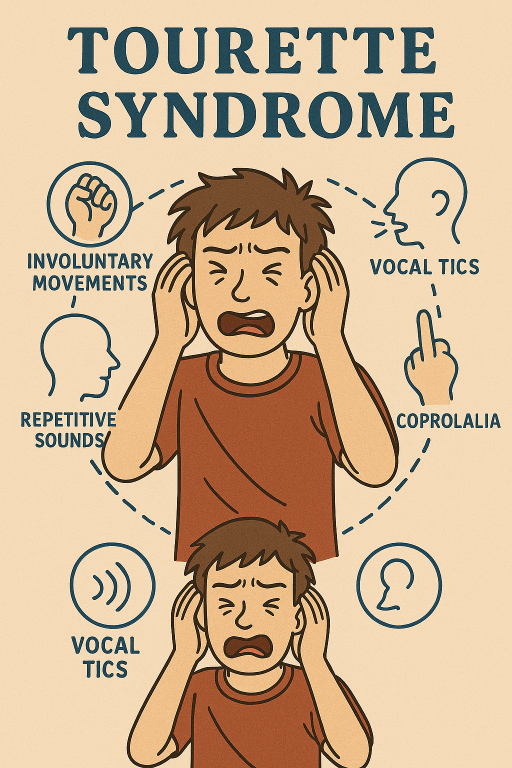
Tourette's Syndrome
Tourette's Syndrome is a neurological condition characterized by involuntary tics - sudden, repetitive movements or sounds. Many people with Tourette's also have enhanced creativity, high energy levels, and strong determination. Understanding and acceptance help create supportive environments where individuals can manage their condition effectively.

Relaxation Strategies

Breathing Exercises
In....and out

It may sound like a cliche, but deep breathing is a powerful tool for relaxation. By focusing on your breath, you can calm your mind and reduce stress. Try taking deep breaths in through your nose, holding for a few seconds, and exhaling slowly through your mouth.

exercise
Lets get moving!

Physical activity is a great way to relieve stress and improve your mood. Whether it's a brisk walk, a workout session, or dancing to your favorite song, getting your body moving can help release endorphins and boost your overall well-being.

Nature Bathing
Touch some grass

Spending time in nature can significantly reduce stress and improve your mood. Whether it's a walk in the park, hiking in the woods, or simply sitting under a tree, immersing yourself in the natural world can have a calming effect on your mind and body.

Meditation
Mindful Meditation

Meditation is a practice that can help you find inner peace and reduce stress. By focusing on the present moment and letting go of distracting thoughts, you can achieve a state of relaxation and mental clarity that benefits both your mind and body.

Browse some Relaxing Images

Join our mailing list

Stay updated with the latest news and resources for mental well-being.

Crisis Support Numbers

You can contact Samaritans 24 hours a day, 365 days a year:
  • Call 116 123 (free from any phone)
  • Call the Samaritans Welsh Language Line on 0808 164 0123 (7pm-11pm every day)
  • Email jo@samaritans.org (email responses may take several days)
  • Visit some branches in person
Samaritans is there for anyone who wants to talk.

Offers a supportive listening service to anyone with thoughts of suicide. You can call the National Suicide Prevention Helpline UK on 0800 689 5652 (6pm to midnight every day).

You can call the CALM on 0800 58 58 58 (5pm–midnight every day) if you're affected by suicide or suicidal thoughts. Or if you prefer not to speak on the phone, you could try the CALM webchat service.

If you're under 35 and struggling with suicidal feelings, or concerned about a young person who might be struggling, you can call Papyrus HOPELINEUK on 0800 068 4141 (24 hours, 7 days a week), email pat@papyrus-uk.org or text 07786 209 697.

If you identify as gay, lesbian, bisexual or transgender, you can call Switchboard on 0300 330 0630 (10am-10pm every day), email chris@switchboard.lgbt or use their webchat service. Phone operators all identify as LGBT+.